
"coffee processing methods"
20000 article(s) found

Introduction to the treatment of coffee beans there are several ways to treat coffee beans. What should be used for different coffee?
Honey treatment is used in almost all the producing areas of Costa Rica. This method is also widely spread throughout Central America. Because the surface mucosa of coffee beans is extremely sticky and smooth and the sugar content is extremely high, it is often called honey. In the process of honey treatment, coffee will leave some or all of the honey when it is dried. After the coffee fruit is picked, graded and peeled, it is dried.

Coffee Common sense Coffee processing methods and Flavor advantages and disadvantages of Coffee beans
The coffee beans we are familiar with are all cooked coffee beans, that is, roasted coffee beans. Different roasting processes can add different flavors to coffee beans. Perhaps few coffee lovers know the processing methods of raw coffee beans. Today, the editor will explain the processing methods and flavor advantages and disadvantages of raw coffee beans. The coffee fruit after harvest must be put into the processing program immediately, otherwise it will open.

Taste characteristics of coffee beans Coffee Origin Coffee treatment method
The origin of the taste of coffee the taste of coffee varies according to different varieties of coffee, so the process of natural sun treatment is the simplest. The fruit begins the process of sun drying without treatment after picking. This is the oldest method of treatment in existence. This method is still used in places such as Ethiopia and Brazil. Natural solarization in the scarcity of water resources
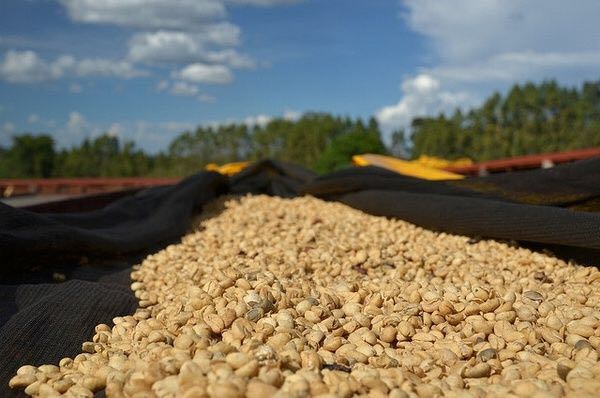
Processing methods of green coffee beans: analysis of solarization, semi-solarization, washing and honey treatment
Processing of coffee beans: The harvested fruit must immediately enter the processing program, otherwise it will begin to ferment, causing coffee beans to produce odor. There are two methods of treatment,[solarization method] and [treatment method], which will cause different flavors. The beans of solarization method have complete natural mellow flavor, gentle aroma and more colloid; the beans of washing method have medium mellow flavor and high aroma

Coffee beans production process and production methods Taste varieties Producing characteristics Flavor description Processing method Introduction
Honey treatment: Honey treatment method, called HoneyProcess or Miel Process, honey treatment is the method of drying the fruit with endocarp after peeling the flesh. Before transportation and roasting, first of all, we have to pick raw beans before roasting. The selection of raw beans is also very important. Defective beans will affect the flavor of coffee production. We're going to put the whole black beans/partial black beans/sour beans/bureau in the beans

Coffee knowledge: introduction to the anatomy of coffee fruit and the grade of honey treatment
1. Coffee fruit anatomy map Coffee fruit is divided into five layers, as shown in the figure: these five layers are: 1. Skin/Pulp: the outermost layer of coffee beans is covered with berry-like skin and pulp. In addition to the natural sun method, coffee beans treated by other methods must remove the skin and flesh within a few hours after picking. Similar to it is the cherry we often eat, but different
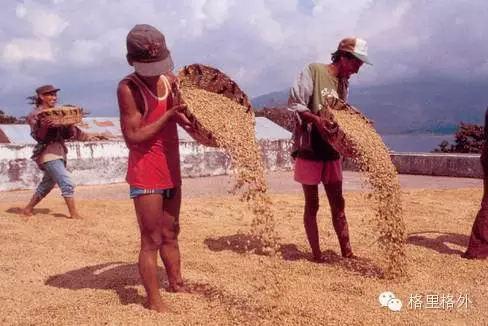
The process of coffee beans from planting and picking to the process of processing coffee beginners
Planting and picking from the coffee tree, the first flowering period is about three years old, and the fruit ripens about 68 months after flowering. The fruit generally contains two seeds, called flat beans, and a few contain only one seed, called round beans. These coffee seeds are raw beans. Coffee fruit contains two seeds, namely coffee beans. The two beans are facing each other on one side of the plane.

The Flavor of Coffee Solar treatment describes the Grinding process of the processing Plant in the Taste producing area
The flavor of coffee sun treatment describes the grinding process of the processing plant in the taste producing area. in the process of washing, the peel and pulp of the fruit are treated by a special desizing machine and the coffee beans are peeled off. The coffee beans then enter the fermentation tank for fermentation treatment so that the mucous membrane is no longer sticky. The sugars in the mucous membrane are decomposed during fermentation. Depending on the fermentation method, the fermentation time usually ranges from 12 hours to 12 hours.

What is the treatment of raw coffee beans? how long can raw coffee beans be stored?
Raw coffee beans can be treated by natural washing, and unroasted beans can be stored in a sealed place without direct sunlight. The fruit begins the process of sun drying without treatment after picking. This is the oldest method of treatment in existence. This method is still used in places such as Ethiopia and Brazil. Natural solarization
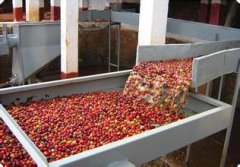
Coffee bean processing method: Coffee bean processing washing wet method Detailed introduction
Washing method: good luster, less foreign matter mixed, sour slightly better, Colombia, Mexico, Guatemala using this method. Disadvantages: bad timing can produce odor and special sour taste. The coffee cherries that are picked include just ripe, overripe, and unripe cherries, all mixed together. If we don't separate these coffee cherries

Coffee Xiaobai classroom, coffee raw bean treatment, grading of honey treatment
Coffee has become the darling of the beverage industry because of its strong flavor, round taste and mellow taste. People's busy work is inseparable from the refreshing effect of coffee, and people's leisurely life is inseparable from the pleasant embellishment of coffee. The love of coffee drives people to study coffee constantly. In order to show the flavor of coffee more incisively and vividly, the more kinds of coffee are produced after processing.

There are several processing methods of coffee beans. What's the special flavor of washing coffee beans?
Professional coffee knowledge exchange more coffee bean information please follow the coffee workshop (Wechat official account cafe_style) front street-coffee processing methods when it comes to different processing methods, there are three methods to occupy the majority of the market: sun, water washing and honey treatment. There are other more experimental or mixed ways to deal with fresh coffee fruits, depending on where they come from. But big

Coffee bean production process and common coffee processing methods
Process Description: 1. Remove the shell and remove the coffee shell. 2, choose beans, remove moldy coffee beans. 3, cleaning, washing coffee with water to wash away surface dirt. 4. Bake, bake at 90~100℃ for half an hour. 5. Grinding: grinding and crushing the processed coffee with a roller grinder. 6, pulping (add water), add coffee about 3 times the 95℃ hot water

Coffee fruit treatment method solarization method, washing method or half sun method which is better? What's the difference? Yes
Professional coffee knowledge exchange more information about coffee beans Please follow the coffee workshop (Wechat official account cafe_style) Coffee fruit treatment method which is better, washing or half-sun? What's the difference? What are the flavor and taste characteristics? The oldest treatment of solarization (Natural) is widely used in sunny, water-poor and less affluent areas.

What are the treatments for raw coffee beans? what are the differences in flavor between them?
The process of natural solarization is the simplest. The fruit begins the process of sun drying without treatment after picking. This is the oldest method of treatment in existence. This method is still used in places such as Ethiopia and Brazil. Natural solarization is most common in areas where water resources are scarce. The drying process usually lasts about 4 weeks. The way to deal with it must be very

The difference between washed Coffee and Sun-cured Coffee; introduction to the characteristics of taste and quality
The difference between washed coffee and sun-cured coffee flavor description taste quality characteristics introduction 1. The process of natural solarization (Natural/Dried-in-the-Fruit) is the simplest. The fruit begins the process of sun drying without treatment after picking. This is the oldest method of treatment in existence. This method is still used in places such as Ethiopia and Brazil. Natural day
Processing method of high-quality coffee beans coffee refining method
There are a pair of oval seeds in the center of the fruit of the coffee tree, which are covered with exocarp, endocarp and pulp. Ripe fruit will rot in a short period of time without treatment, so the purpose of refining is to enable coffee beans to be preserved for a long time, easy to store and circulate.

Introduction to the processing process of coffee bean picking method
Introduction to the processing process of coffee bean picking method 1. Skin/Pulp: the outermost layer of coffee beans is covered with berry-like skin and pulp. In addition to the natural sun method, coffee beans treated by other methods must remove the skin and flesh within a few hours after picking. For coffee, peel and pulp are important by-products. In some places of origin, people will use

Good mellow natural washing coffee washing processing method step by step processing method
1 Skin/Pulp: the outermost layer of the coffee bean is covered with berry-like skin and pulp. In addition to the natural sun method, coffee beans treated by other methods must remove the skin and flesh within a few hours after picking. Similar to the cherries we often eat, the difference is that when we eat cherries, we mainly eat the pulp and peel of berries. For coffee.